

Principles at the Heart of my Approach
Whether I'm coaching a parent or working one-on-one with a child, the same principles guide my work. Behaviour is communication, connection comes first, and lasting change happens when everyone involved feels understood and supported. These five ideas shape how I coach parents, how I work with children, and how I collaborate with each child's care team.

Self-Care &
Self-Compassion
Show up differently for yourself and for your kids. Self-care starts with self-compassion, so be generous with yourself when you make mistakes. Parents are often taught to put everyone else first, but staying attuned to your own needs is what lets you keep showing up. We all have patterns that once served us and no longer do, and many of them were passed down through generations. You're doing more than you think, and there's room to feel better. Together, we'll identify your triggers, shift your inner dialogue, and practise responding rather than reacting, so you can stay calm in the midst of the chaos.
Reframe Behaviours
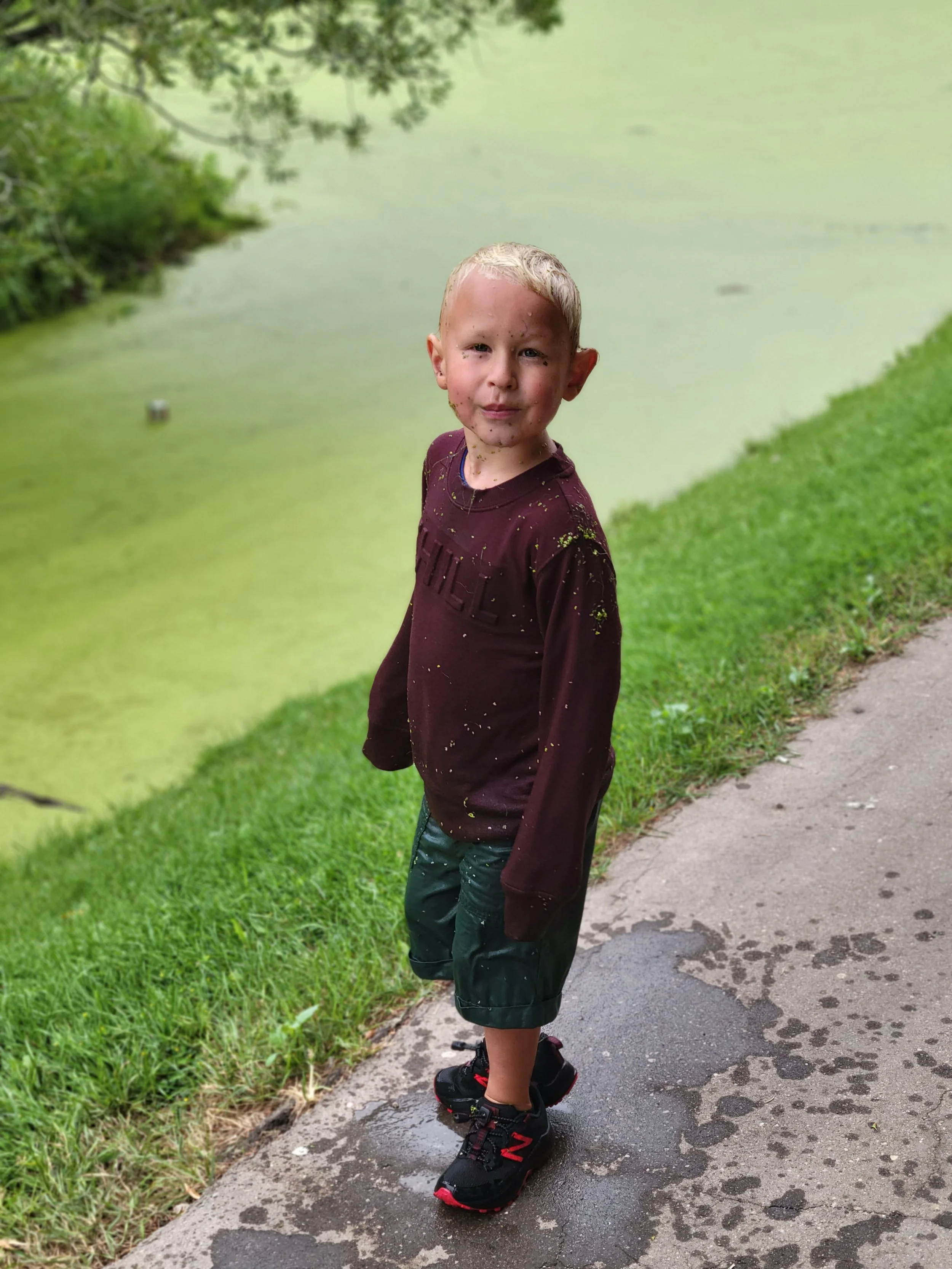
Your child's actions don't define who they are. Behaviour can be seen as a window into what they're experiencing, or as the tip of the iceberg. We can find ways to address the behaviour, but if the needs underneath it aren't met, new challenges tend to appear. My hope for you is to see your child for who they are and understand what they need. Is it connection, predictability, support with a skill, or a change in their environment? When we understand and meet a child's underlying needs, behaviour often improves, and the whole family can function differently.

Build Resilience
Children often learn to handle big emotions by watching how the adults around them handle them. Letting your child know that you're not afraid of their feelings, and that you're willing to stay with them and talk about it, is the first step in building resilience. Believing their experience builds self-trust instead of self-doubt. Be curious, empathize, and open the conversation rather than shutting it down. Sometimes you won't know what to say, and that's okay. Staying calm and present while they go through something difficult tells them they're safe and that you can handle it with them.

Set Clear, Supportive Boundaries
Children feel safest when they know what to expect. Clear, consistent boundaries help them understand what's safe and what's possible. Neurodivergent children often need extra structure, preparation, and support to meet expectations, so boundaries work best when they're matched to what your child can manage right now. Hold them with warmth and steadiness. Punishments don’t teach the skills kids need. Guidance, practice, and the right supports do, and it's our job to help children build the tools to manage their big feelings.

Repair
It's okay to mess up, as long as you repair afterward. You're human. What matters is your ability to go back, reflect, and reconnect. Repair has a powerful effect on your relationship with your child, and it teaches them how to take responsibility for their own actions. In a way, you have to mess up sometimes to show them what to do when they mess up. Next time you lose it, be gentle with yourself, own your part, and see it as a chance to deepen your connection instead of feeling guilty or hopeless.
In my 1:1 sessions with neurodivergent children, these principles show up as a slower pace, plenty of connection, and skills built at a level that fits each child. I share what's working with parents and the child's care team so that it carries over at home.